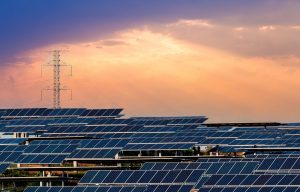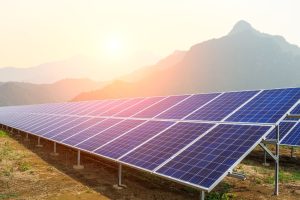
Residential solar energy is no longer a niche upgrade. It is becoming a mainstream energy strategy for households facing rising electricity costs and unstable power supply. Homeowners are shifting toward solar because it offers long-term control over energy usage. Instead of relying fully on the grid, families can generate their own electricity directly from sunlight. This shift is also driven by environmental awareness. People want to reduce carbon emissions while lowering monthly expenses. Residential solar energy supports both goals at the same time. It is not just a technology upgrade. It is a lifestyle change toward energy independence.
How residential solar energy systems convert sunlight into usable power
To understand efficiency, it is important to understand how residential solar energy systems actually work. Solar panels capture sunlight using photovoltaic cells. These cells convert solar radiation into direct current electricity. However, homes do not use direct current. This is where inverters become essential. They convert DC electricity into alternating current, which powers household appliances. In many systems, battery storage is added. Batteries store excess energy produced during the day for use at night or during power outages. Depending on system design, solar setups can also connect to the main electrical grid, allowing homeowners to send excess energy back and draw power when needed.
Main types of residential solar energy systems and their efficiency levels
There are three primary types of residential solar energy systems. Each has different efficiency levels, cost structures, and use cases. Choosing the right system depends on energy needs, location, and budget.
Grid-tied solar energy systems
Grid-tied systems are the most common form of residential solar energy. These systems are connected directly to the utility grid. When solar panels produce more electricity than needed, the excess is sent back to the grid. In many regions, homeowners receive credits for this energy through net metering programs. The main advantage of grid-tied systems is high efficiency and lower cost. They do not require battery storage, which reduces installation expense. However, they depend on the grid. During power outages, most grid-tied systems shut down for safety reasons. This limits energy independence but improves affordability and system efficiency.
Off-grid solar energy systems
Off-grid systems are completely independent of the utility grid. They rely entirely on solar panels and battery storage. This makes them ideal for remote areas where grid access is limited or unavailable. The biggest advantage of off-grid residential solar energy is full energy independence. However, efficiency depends heavily on battery capacity and sunlight availability. These systems require careful planning because energy storage must cover nighttime use and cloudy days. Off-grid systems are typically more expensive due to larger battery requirements and backup components. They are efficient in autonomy but not always cost-efficient for urban homes.
Hybrid solar energy systems
Hybrid systems combine grid connectivity with battery storage. They are considered one of the most balanced residential solar energy solutions. These systems allow homeowners to store excess energy in batteries while still staying connected to the grid. During outages, the system can continue powering essential appliances using stored energy. Hybrid systems offer high efficiency because they maximize solar usage while maintaining backup reliability. They are more flexible than grid-tied systems and more stable than off-grid systems. However, they also come with higher installation costs due to battery integration.
Factors that influence residential solar energy efficiency
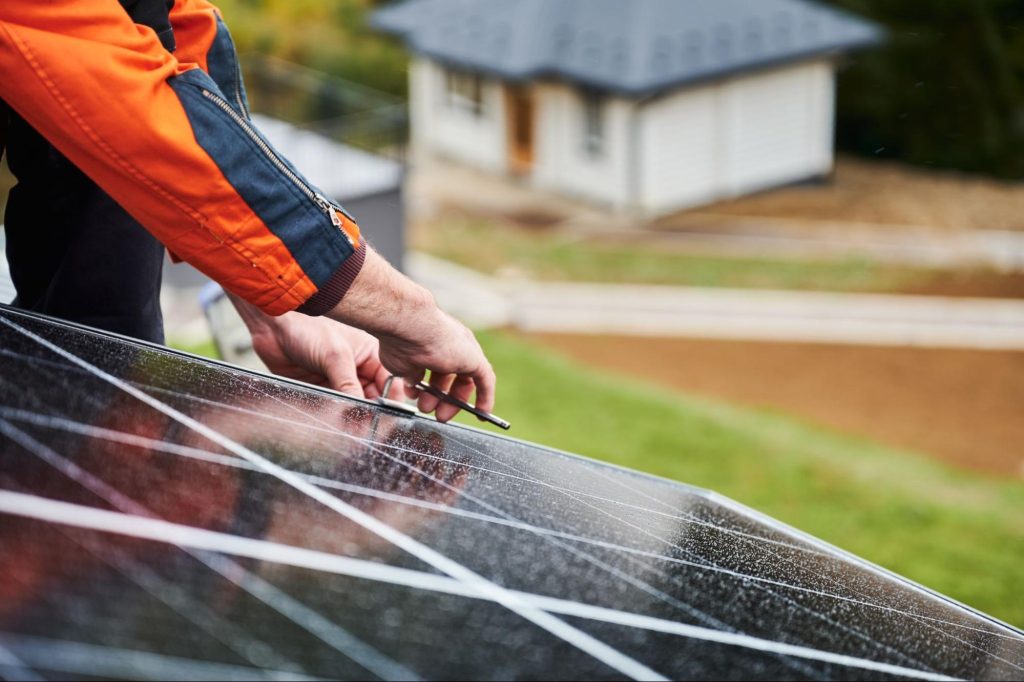
Several external and technical factors affect how efficient residential solar energy systems perform. Sunlight availability is the most important factor. Homes in regions with consistent sunlight generate more power. Panel quality also plays a major role. Higher-quality panels convert more sunlight into electricity. Installation angle is another key factor. Panels must be positioned to capture maximum sunlight throughout the day. Roof design can also impact performance. Shaded roofs or poorly oriented surfaces reduce efficiency significantly. Maintenance also matters. Dust, debris, and weather conditions can reduce energy output if panels are not cleaned regularly.
Solar panel technologies used in residential solar energy systems
Monocrystalline panels
Monocrystalline panels are the most efficient type of solar panels used in residential solar energy systems. They are made from a single crystal structure, which allows for higher energy conversion rates. These panels perform better in low-light conditions and require less space for installation. They are more expensive but offer long-term efficiency benefits.
Polycrystalline panels
Polycrystalline panels are made from multiple silicon fragments. They are more affordable but slightly less efficient than monocrystalline panels. These panels are suitable for homeowners with larger roof space who want a cost-effective residential solar energy solution. Their performance is stable but not as high in low-light conditions.
Thin-film solar panels
Thin-film panels are lightweight and flexible. They are less efficient compared to crystalline panels but can be used in specialized installations. They are sometimes used on unconventional roof structures or portable solar setups. Their main advantage is versatility rather than maximum efficiency.
Battery storage systems and their role in efficiency
Battery storage is becoming a critical part of residential solar energy systems. Without storage, excess daytime energy is wasted or sent back to the grid. With batteries, that energy can be saved for later use. Lithium-ion batteries are currently the most efficient option. They have high energy density, long lifespan, and fast charging capabilities. Lead-acid batteries are cheaper but less efficient and require more maintenance. Battery storage improves energy independence and ensures power availability during outages. However, it also increases system cost and requires proper sizing to avoid energy loss.
Cost vs efficiency in residential solar energy systems
Residential solar energy systems require upfront investment, but they deliver long-term savings. Grid-tied systems are the most cost-efficient due to lower installation costs. Off-grid systems are the most expensive because of battery dependency. Hybrid systems fall in the middle but offer the best balance of reliability and efficiency. The payback period depends on electricity rates, sunlight exposure, and system size. Over time, most systems reduce electricity bills significantly. However, hidden costs such as maintenance, inverter replacement, and battery upgrades should also be considered in long-term planning.
Common mistakes homeowners make when choosing solar systems
One common mistake is choosing a system based only on price. Low-cost systems often reduce long-term efficiency. Another mistake is incorrect system sizing. If a system is too small, it cannot meet energy demand. If it is too large, it leads to unnecessary investment. Many homeowners also ignore future energy consumption changes, such as electric vehicles or home expansions. Poor installation decisions, such as incorrect panel angles or shaded placement, also reduce residential solar energy performance significantly.
How to choose the most efficient residential solar energy system
Choosing the right system starts with understanding household energy usage. Reviewing electricity bills helps estimate required capacity. Grid-tied systems are ideal for cost savings. Off-grid systems are better for remote independence. Hybrid systems are best for balanced performance and reliability. Consulting a professional installer is essential because system design requires technical assessment. Efficiency is not just about equipment quality. It is about how well the system matches real energy needs and environmental conditions.
Future innovations improving residential solar energy efficiency
Residential solar energy is evolving rapidly. Smart monitoring systems now allow homeowners to track energy production in real time. AI-based optimization tools can adjust energy usage patterns automatically to improve efficiency. New photovoltaic materials are also being developed to increase energy conversion rates. These innovations are making solar systems more intelligent, efficient, and user-friendly. In the future, residential solar energy will become even more integrated with smart home ecosystems.
Conclusion
Residential solar energy systems offer more than just electricity savings. They provide long-term energy stability, environmental benefits, and independence from rising utility costs. While different system types offer different efficiency levels, the best choice depends on individual needs and location. Grid-tied systems offer affordability, off-grid systems offer independence, and hybrid systems offer balance. As technology continues to improve, residential solar energy will become even more efficient and accessible. For most homeowners, it is not just an upgrade. It is a long-term investment in energy security and sustainability.