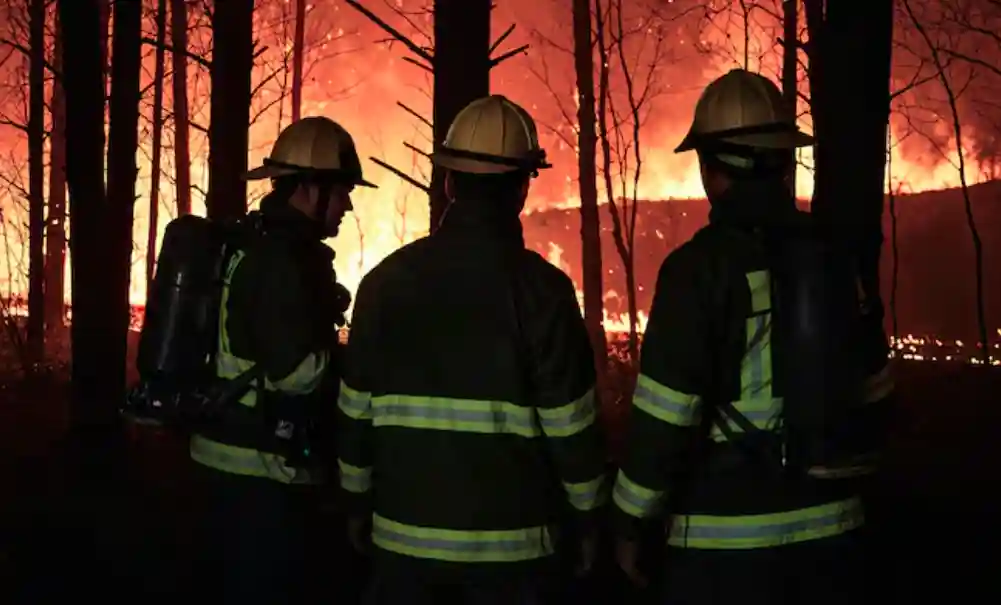
Preparing for wildland firefighting requires meticulous attention to detail regarding personal protective equipment. The environment is inherently unpredictable, characterized by extreme heat, shifting winds, and dense smoke.
Because your life depends on the reliability of your equipment, choosing the correct tools and apparel is not merely a preference but a necessity.
When evaluating various options, you must prioritize durability, functionality, and compliance with safety standards to ensure you remain protected during long, strenuous operations.
Prioritizing Heat and Flame Resistance
The primary function of any piece of wildfire gear is to provide an effective barrier against radiant heat and open flames. Look for materials specifically engineered for fire resistance, such as treated aramid fibers or flame-resistant cotton blends.
These fabrics are designed to self-extinguish when removed from a heat source, preventing the catastrophic injuries associated with melting or burning clothing. Never compromise on material quality, as the heat intensity encountered on the fireline can quickly overwhelm subpar fabrics.
Ensuring Optimal Breathability and Comfort
Wildland operations often involve intense physical exertion in high-temperature environments. If your attire does not allow for proper sweat evaporation, you risk heat exhaustion or heat stroke.
High-quality wildfire gear incorporates moisture-wicking technology and ventilation design features that promote airflow without sacrificing structural integrity.
Selecting equipment that balances thermal protection with breathability is crucial for maintaining stamina and focus during extended shifts in challenging terrain.
Evaluating Ergonomics and Range of Motion
Firefighters must navigate rugged landscapes, climb steep slopes, and carry heavy tools. Your clothing and equipment must facilitate, rather than restrict, your natural movement. Look for gear that features articulated joints, reinforced stress points, and adjustable components.
If your jacket or trousers feel too tight or cumbersome, they will hinder your efficiency and increase fatigue. Investing in ergonomic wildfire gear ensures that your equipment acts as a second skin, allowing for fluid movement during critical maneuvers.
Assessing Durability and Abrasion Resistance
The brush, sharp rocks, and heavy machinery encountered in the field can easily shred standard clothing. Your protective layers must withstand constant friction and snagging. Check for reinforced knees, elbows, and seams, as these areas are typically the first to fail under harsh conditions.
A focus on heavy-duty construction will extend the lifespan of your items, ensuring that your investment provides reliable service throughout the entire season.
Compliance with Safety Standards
Always verify that your equipment meets current regulatory certifications for wildland operations. Standards such as NFPA requirements serve as a benchmark for quality and safety.
Manufacturers that adhere to these strict protocols provide documented testing data for their products. Relying on certified wildfire gear provides the assurance that your protective equipment has undergone rigorous evaluation for thermal protection and structural performance.
Integration with Other Essential Tools
Finally, consider how your clothing integrates with your helmet, gloves, boots, and communication devices. Gear that is difficult to use while wearing heavy gloves or that interferes with your harness will impede your performance.
Ensure that all components of your ensemble are compatible, allowing for seamless operation and rapid deployment of emergency tools.