Starting early education is one of the most important steps in a child’s development. During the early years, children learn how to think, communicate, and interact with the world around them. A private kindergarten can play a strong role in shaping these skills by offering a structured and supportive learning environment. Unlike informal early learning settings, private kindergartens focus on balanced development, combining academics, creativity, and social learning in a guided way. This early foundation helps children feel confident and prepared for future schooling.
Early Foundation Building in a Private Kindergarten Environment
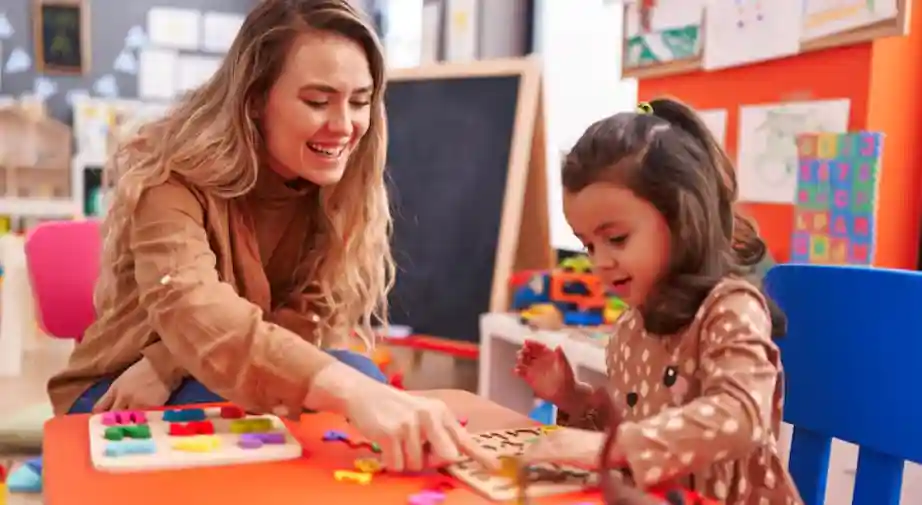
A strong learning foundation begins with simple concepts such as numbers, letters, shapes, and basic problem-solving. In a private kindergarten, these concepts are introduced in a structured yet enjoyable way. Teachers use age-appropriate methods to make learning engaging, so children do not feel pressured but instead develop curiosity.
The learning environment is designed to encourage exploration and participation. Children are introduced to early literacy and numeracy skills through stories, games, and hands-on activities. This helps them understand basic ideas more naturally and builds a strong base for future academic learning.
Personal Attention and Individual Learning Support in Private Kindergarten
One of the key benefits of a private kindergarten is the level of personal attention each child receives. Smaller class sizes allow teachers to focus on individual learning needs. Every child learns at a different pace, and this environment ensures that no child is left behind or rushed.
Teachers can identify a child’s strengths and areas that need improvement more easily. They can then adjust teaching methods accordingly, providing extra support where needed. This personalized approach helps children gain confidence in their abilities and develop a positive attitude toward learning from an early age.
Developing Social and Communication Skills
Early childhood is a critical stage for learning how to interact with others. In a private kindergarten, children regularly engage with classmates in group activities, play sessions, and classroom discussions. These interactions help them learn important social skills such as sharing, listening, and cooperating.
Communication skills also develop naturally as children are encouraged to express their thoughts and feelings. Teachers guide them in using clear and respectful language, which improves both verbal ability and confidence. Over time, children become more comfortable interacting with peers and adults, which supports their overall emotional development.
Creative Learning and Cognitive Development
A private kindergarten often includes creative activities such as drawing, storytelling, music, and role play. These activities are not just for fun; they are essential for cognitive development. Creative learning helps children think in new ways, solve problems, and express their imagination.
Through guided activities, children also improve their attention span and memory. They learn how to focus on tasks and complete activities step by step. This combination of creativity and structured learning strengthens their thinking skills and prepares them for more complex subjects in later schooling.
Smooth Transition to Primary School
Another important benefit of a private kindergarten is that it prepares children for the transition to primary school. Children become familiar with classroom routines, following instructions, and working in groups. This reduces anxiety when they move to a more formal school setting.
By the time they complete kindergarten, children already understand basic academic expectations and social behavior in a classroom. This makes the transition smoother and helps them adapt quickly to new learning environments without stress.
Conclusion
A private kindergarten provides a strong foundation for a child’s early development by combining structured learning, personal attention, and creative activities. It helps children build essential academic skills, improve social interaction, and develop confidence in their abilities. With the right early education environment, children are better prepared for future academic success and lifelong learning.