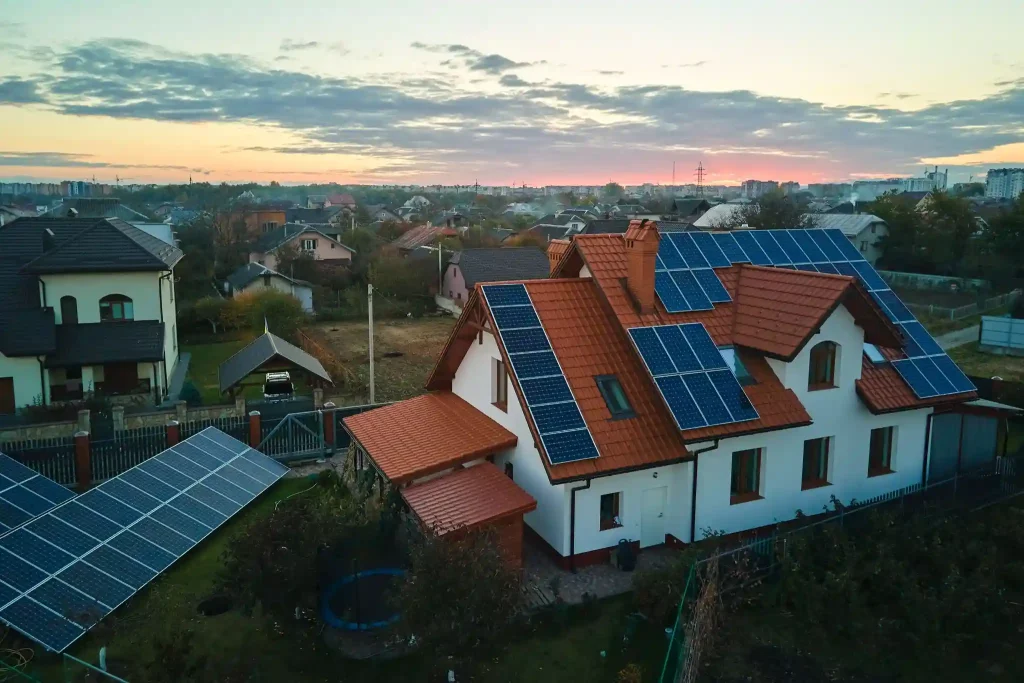
Home solar energy systems are often seen as simple setups that capture sunlight and turn it into electricity, but in reality, they are carefully engineered networks of interconnected components working in harmony. Each part plays a critical role in ensuring that energy is generated efficiently, converted correctly, stored when needed, and delivered safely to power everyday life. Understanding home solar energy components is essential for anyone considering solar adoption, not only to make informed decisions but also to maximize long-term performance and savings. A well-designed system is not just about panels on a roof, it is about creating an intelligent energy ecosystem tailored to a home’s unique needs.
The Foundation of a Residential Solar Energy System
A solar power system begins with a simple concept, capturing sunlight and converting it into usable electricity. However, the journey from sunlight to powering appliances involves multiple stages. Each stage relies on specialized components that ensure efficiency, safety, and reliability. The system must collect solar energy, convert it into electricity, manage its flow, and sometimes store it for later use. These processes are handled by distinct yet interconnected components. When properly integrated, they create a seamless energy solution that reduces dependence on traditional power sources.
Solar Panels: The Energy Harvesting Core
How Solar Panels Capture Sunlight
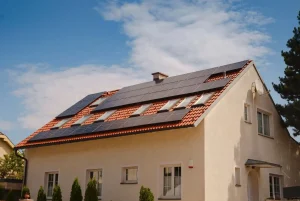
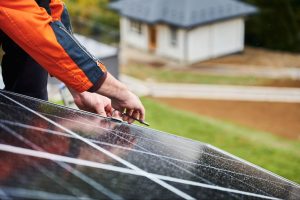
Solar panels are the most visible part of any home solar system. They are responsible for capturing sunlight and initiating the energy conversion process. Panels are made up of photovoltaic cells, which generate electricity when exposed to sunlight. These cells work by allowing photons from sunlight to knock electrons loose, creating an electric current. This process is efficient and silent, making solar panels a reliable and low-maintenance energy source.
Types of Panels and Their Efficiency
Not all solar panels are the same. Differences in materials and design affect their efficiency and performance. Homeowners often choose between monocrystalline, polycrystalline, and thin-film panels.
Monocrystalline panels offer high efficiency and a sleek appearance
Polycrystalline panels are more affordable but slightly less efficient
Thin-film panels are lightweight and flexible but require more space
Selecting the right type depends on budget, available space, and energy goals.
Inverters: Converting Energy for Everyday Use
The Role of Power Conversion
Electricity generated by solar panels is in direct current form, which is not suitable for most household appliances. Inverters convert this direct current into alternating current, making it usable for daily consumption. This conversion is critical. Without it, the energy produced by solar panels cannot be integrated into the home’s electrical system.
Different Inverter Configurations
There are several types of inverters used in residential systems, each with its own advantages.
String inverters are cost-effective and widely used
Microinverters are installed on each panel for higher efficiency
Hybrid inverters support both solar generation and battery storage
The choice of inverter impacts system performance, especially in conditions like shading or varying sunlight.
Mounting Structures: Stability and Positioning
Solar panels need a secure and optimized position to perform effectively. Mounting systems provide the structural support required to hold panels in place while ensuring proper alignment with the sun. These structures are designed to withstand weather conditions such as wind and rain. They also determine the angle and orientation of panels, which directly affects energy production. A well-designed mounting system maximizes sunlight exposure throughout the day.
Battery Storage: Capturing Energy for Later Use
Why Storage Matters
Solar energy is not always available when it is needed. Battery storage systems solve this problem by storing excess energy generated during the day for use at night or during outages. This capability enhances energy independence and ensures a continuous power supply. It also reduces reliance on the grid, especially in areas with unstable electricity.
Types of Solar Batteries
Different battery technologies offer varying levels of performance and lifespan.
Lithium-ion batteries are highly efficient and long-lasting
Lead-acid batteries are more affordable but require maintenance
Emerging technologies focus on improved capacity and sustainability
Choosing the right battery depends on usage patterns and budget considerations.
Charge Controllers: Protecting the System
Charge controllers regulate the flow of electricity between solar panels and batteries. They prevent overcharging and ensure that batteries operate within safe limits. Without a charge controller, batteries could degrade quickly or become damaged. This component plays a crucial role in maintaining system longevity and efficiency. Modern charge controllers also include advanced features such as monitoring and optimization, allowing users to track performance in real time.
Electrical Wiring and Safety Components
A solar system relies on a network of wiring and safety devices to function properly. These elements connect all components and ensure that electricity flows safely throughout the system.
Proper wiring ensures efficient energy transfer
Circuit breakers protect against overloads
Disconnect switches allow safe maintenance
These components may not be visible, but they are essential for safe and reliable operation.
Monitoring Systems: Keeping Track of Performance
Monitoring systems provide real-time insights into how a solar energy system is performing. They track energy production, consumption, and efficiency, allowing homeowners to identify issues and optimize usage. This data-driven approach enhances system performance. It helps users understand their energy patterns and make informed decisions about consumption and upgrades. Monitoring also adds a layer of transparency, ensuring that the system operates as expected over time.
Grid Connection and Net Metering
Many home solar systems are connected to the grid. This connection allows excess energy to be sent back to the grid, often in exchange for credits or compensation. Net metering policies vary by location, but they provide financial benefits and improve system efficiency. Grid connection also ensures that power is available when solar generation is insufficient. This hybrid approach combines the benefits of renewable energy with the reliability of traditional power systems.
Designing a System That Fits Your Home
Every home is different, and solar systems must be customized accordingly. Factors such as roof size, orientation, energy consumption, and budget influence the design. A professional assessment helps determine the optimal configuration. This ensures that all components work together effectively to meet energy needs. Customization is key to maximizing both performance and return on investment. A well-designed system balances efficiency, cost, and long-term sustainability.
Common Mistakes When Choosing Solar Components
Many homeowners focus only on solar panels, overlooking the importance of other components. This can lead to inefficiencies and higher long-term costs. Another common mistake is choosing components based solely on price. While cost is important, quality and compatibility should not be compromised. Poor-quality components can reduce system lifespan and performance. Ignoring future needs is also a risk. Systems should be designed with scalability in mind, allowing for upgrades such as additional panels or battery storage.
Expert Advice for Long-Term Success
Experts recommend prioritizing system integration over individual components. A well-balanced system performs better than one with mismatched parts. Compatibility ensures smooth operation and optimal efficiency. Regular maintenance is also essential. While solar systems require minimal upkeep, periodic checks help identify potential issues early. Cleaning panels and monitoring performance can significantly improve output. Another key insight is to think long term. Solar energy systems are investments that deliver returns over many years. Choosing durable components and reliable technology ensures sustained benefits.
The Emotional Value of Energy Independence
Beyond technical and financial benefits, solar energy offers a sense of independence. Generating your own power creates a connection with the energy you use daily. It transforms electricity from an abstract concept into something tangible and meaningful. This shift in perspective encourages more mindful consumption. Energy becomes a resource to manage rather than something taken for granted. The result is not only lower bills but also a deeper awareness of sustainability.
FAQs
What are the main components of a home solar energy system?
The main components include solar panels, inverters, mounting systems, batteries, charge controllers, wiring, and monitoring systems. Each plays a specific role in generating, converting, storing, and managing electricity.
Do all solar systems need battery storage?
No, battery storage is optional. Grid-connected systems can operate without batteries, but adding storage increases energy independence and provides backup during outages.
How long do solar energy components last?
Solar panels typically last 25 to 30 years, while inverters and batteries may need replacement sooner. Proper maintenance can extend the lifespan of all components.