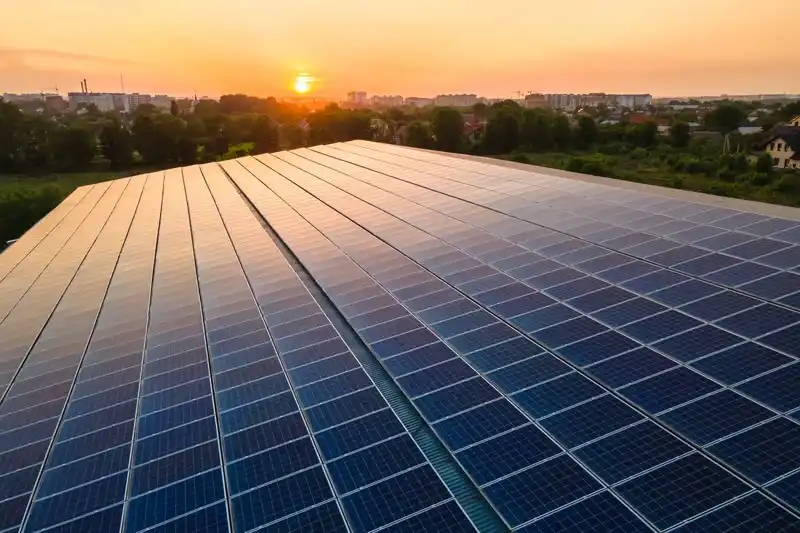
Solar energy has transformed the way homes, businesses, and industries generate electricity. As energy prices continue to rise and environmental concerns become more important, many property owners are investing in solar technology to secure long-term energy savings. One of the most common questions people ask before making the investment is about the lifespan of solar energy systems. Understanding how long solar systems and panels last is essential because it directly affects return on investment, maintenance planning, and overall confidence in renewable energy.
The good news is that modern solar energy systems are designed to operate for decades. Unlike many household appliances that require replacement after a few years, solar panels are built to withstand harsh weather conditions, temperature fluctuations, and continuous exposure to sunlight. However, while solar systems are remarkably durable, their lifespan depends on several factors, including panel quality, installation standards, environmental conditions, and ongoing maintenance. This guide explores the expected lifespan of solar energy systems, what impacts their longevity, and how owners can maximize performance over the years.
Understanding the Components of a Solar Energy System
When discussing the lifespan of solar energy systems, it is important to understand that a solar installation consists of several interconnected components. Each part has its own expected lifespan and maintenance requirements. Solar panels are the most visible component and are often the longest-lasting part of the system. They capture sunlight and convert it into electricity through photovoltaic cells. These panels are engineered to operate efficiently for decades while maintaining reliable energy production.
The inverter is another critical component. It converts the direct current electricity generated by solar panels into alternating current electricity used by homes and businesses. Inverters typically have shorter lifespans than panels and may require replacement during the system’s lifetime. Mounting structures, wiring, connectors, and monitoring systems also contribute to overall performance. While these components generally last many years, periodic inspections help ensure everything continues functioning properly. Because each component ages differently, evaluating the lifespan of solar energy systems requires looking at the entire system rather than focusing solely on the panels.
How Long Do Solar Panels Typically Last?
The most encouraging aspect of solar technology is the exceptional durability of modern solar panels. Most manufacturers provide performance warranties ranging from 25 to 30 years. This warranty period often creates the misconception that panels stop working after three decades. In reality, many panels continue producing electricity well beyond their warranty period. Most high-quality solar panels can last between 30 and 40 years, and some systems installed decades ago are still generating power today. The key factor is not whether the panels continue operating but how efficiently they perform over time.
Solar panels gradually experience a process known as degradation. This natural process causes a small reduction in energy production each year. Modern premium panels typically degrade at a rate of approximately 0.3% to 0.5% annually. This means a panel may still operate at 85% to 90% of its original capacity after 25 years. For homeowners and businesses, this gradual decline means solar systems continue delivering significant energy savings long after installation. The panels do not suddenly fail but slowly lose a small portion of their efficiency over many decades.
The Science Behind Solar Panel Degradation
What Causes Performance Decline?
Solar panels spend their entire lives exposed to environmental conditions. Sunlight, temperature changes, humidity, wind, rain, and airborne particles all contribute to gradual wear over time. These factors slowly affect photovoltaic cells and other panel components. Thermal expansion and contraction occur as temperatures rise during the day and fall at night. This constant movement can place stress on internal materials. Over decades, microscopic changes may reduce energy conversion efficiency. Ultraviolet radiation is another factor. Continuous exposure to UV rays can impact protective materials and coatings, contributing to long-term degradation.
Despite these challenges, advancements in manufacturing have significantly reduced degradation rates compared to earlier generations of solar panels.
Why Modern Panels Last Longer
Today’s solar panels benefit from decades of engineering improvements. Manufacturers use stronger glass, better encapsulation materials, corrosion-resistant frames, and advanced cell technologies that enhance durability.
Rigorous testing standards require panels to withstand extreme weather conditions, including hail, heavy snow loads, strong winds, and prolonged heat exposure. These improvements have increased confidence in long-term performance and helped establish solar energy as a dependable investment.
Factors That Influence the Lifespan of Solar Energy Systems
Quality of Equipment
One of the most significant factors affecting system longevity is equipment quality. Premium solar panels from reputable manufacturers typically offer better durability, lower degradation rates, and stronger warranty protection. Although budget-friendly options may reduce initial installation costs, lower-quality materials can lead to faster performance decline and increased maintenance needs over time. Investing in high-quality components often results in better long-term value because the system continues generating more electricity throughout its operational life.
Professional Installation
Even the best solar panels can experience problems if installation is performed incorrectly. Improper mounting, poor wiring, inadequate sealing, or structural weaknesses can shorten system lifespan and increase repair costs. Professional installers ensure panels are positioned correctly, securely attached, and connected according to industry standards. Proper installation minimizes risks associated with weather damage, electrical issues, and system inefficiencies.
Climate and Environmental Conditions
The environment plays a major role in determining how long solar systems last. Regions with moderate climates often experience fewer stresses on solar equipment than areas with extreme weather conditions. High temperatures, frequent storms, heavy snowfall, coastal salt exposure, and airborne dust can all affect system durability. However, modern solar panels are specifically designed to withstand these challenges. While environmental factors may slightly accelerate wear, well-maintained systems continue operating effectively in a wide range of climates.
Maintenance Practices
Routine maintenance helps maximize the lifespan of solar energy systems. Dust, dirt, leaves, bird droppings, and other debris can accumulate on panel surfaces, reducing energy production. Regular inspections allow owners to identify issues such as loose connections, damaged wiring, or shading problems before they become serious concerns. Simple preventive maintenance often extends system life and improves overall performance.
The Lifespan of Solar Inverters
While solar panels often last several decades, inverters generally have shorter operational lifespans. Most string inverters last between 10 and 15 years before replacement becomes necessary. Microinverters and power optimizers may offer longer service lives, often reaching 20 to 25 years under favorable conditions. However, inverter replacement should be expected as part of long-term solar ownership. Fortunately, inverter technology continues to improve, and replacement costs have gradually become more affordable. Many homeowners view inverter replacement as a routine investment that supports continued energy production throughout the life of the solar system.
How Weather Affects Solar System Longevity
Heat and Sun Exposure
Many people assume intense sunlight damages solar panels. While prolonged heat can slightly affect efficiency, quality panels are designed to operate under continuous solar exposure for decades. Manufacturers perform extensive testing to ensure panels can handle high temperatures without experiencing significant structural damage.
Storms and Wind
Modern solar panels undergo rigorous certification testing for wind resistance. Properly installed systems can withstand strong storms and hurricane-force winds in many regions. Mounting systems play a critical role in storm resilience. Secure installation helps protect panels from displacement and structural stress during severe weather events.
Snow and Ice
Contrary to popular belief, snow does not necessarily shorten solar panel lifespan. Most panels are designed to handle substantial snow loads. In fact, cooler temperatures can improve solar efficiency under certain conditions. The smooth surface of solar panels often allows snow to slide off naturally once sunlight warms the glass.
Signs That a Solar Energy System Is Aging
As solar systems mature, certain indicators may suggest aging components require attention. Reduced energy output is often the first noticeable sign. Monitoring software can help identify performance trends and reveal gradual declines beyond expected degradation rates.
Physical damage such as cracked glass, discoloration, corrosion, or damaged wiring may also indicate the need for professional inspection. While these issues are relatively uncommon, addressing them early prevents more extensive problems later.
Inverter error messages, intermittent system shutdowns, or unusual production fluctuations may signal that replacement or repairs are necessary. Regular performance monitoring helps owners maintain confidence that their system continues operating efficiently.
Financial Impact of Long Solar Lifespans
One reason solar energy remains attractive is its ability to generate long-term financial benefits. Most residential systems recover installation costs within several years through reduced electricity bills. After reaching this break-even point, continued energy production creates substantial savings.
Because solar panels often remain operational for 30 years or more, owners enjoy decades of reduced energy expenses. This extended lifespan significantly improves return on investment compared to many other home improvement projects.
Businesses benefit similarly by reducing operational costs and protecting themselves from future energy price increases. The longer a solar system operates efficiently, the greater its overall economic value becomes.
Expert Advice for Maximizing Solar System Lifespan
Industry professionals consistently emphasize the importance of quality over short-term savings. Choosing reputable manufacturers and experienced installers creates a strong foundation for long-term system reliability. Experts also recommend scheduling periodic inspections even when systems appear to be functioning normally. Preventive maintenance can identify small issues before they affect performance or lead to costly repairs. Monitoring energy production is equally important. Modern monitoring platforms allow owners to track output in real time and quickly recognize unusual changes. Keeping panels reasonably clean, trimming nearby vegetation, and addressing repairs promptly helps preserve efficiency and extend system life. Most importantly, solar owners should view their installation as a long-term asset rather than a short-term purchase. The decisions made during equipment selection and installation often influence performance for decades.
The Future of Solar Panel Longevity
The solar industry continues to evolve rapidly. Researchers are developing new photovoltaic technologies that promise even lower degradation rates and longer service lives. Advancements in materials science are producing more resilient cells, stronger protective coatings, and improved manufacturing processes. Future solar panels may routinely exceed 40 years of operation while maintaining higher efficiency levels than current products.
Energy storage systems are also becoming more durable and cost-effective, allowing solar installations to deliver greater value over longer periods. As technology advances, the lifespan of solar energy systems is expected to increase further, strengthening the role of solar power in the global energy landscape.
Why Solar Longevity Makes Renewable Energy More Attractive
Longevity is one of the strongest arguments in favor of solar energy. Few energy-producing assets can operate reliably for several decades with relatively low maintenance requirements. This durability makes solar technology appealing to homeowners seeking energy independence, businesses focused on cost reduction, and governments pursuing sustainability goals.
The ability to generate clean electricity for 30 to 40 years provides confidence that the initial investment will continue delivering benefits long into the future. Combined with declining installation costs and improving technology, long system lifespans make solar power one of the most practical renewable energy solutions available today.
FAQs
What is the average lifespan of solar energy systems?
The average lifespan of solar energy systems is typically between 25 and 40 years. Solar panels often continue producing electricity beyond their warranty period, although efficiency gradually decreases over time. Proper installation and maintenance can help systems remain productive for several decades.
Do solar panels stop working after 25 years?
No, solar panels do not usually stop working after 25 years. Most panels continue generating electricity well beyond that point. The 25-year mark often refers to performance warranties, not the end of operational life. Many panels still function effectively after 30 or even 40 years.
How can I make my solar panels last longer?
Regular maintenance, periodic inspections, prompt repairs, and keeping panels clean can help extend lifespan. Choosing high-quality equipment and working with experienced installers also plays a major role in maximizing long-term performance and protecting your investment.