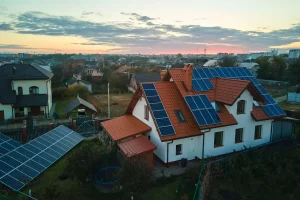

The global energy sector is undergoing one of the most significant transformations in modern history. As concerns about climate change, fossil fuel dependence, environmental degradation, and long-term energy security continue growing, governments, businesses, scientists, and communities around the world are increasingly investing in renewable energy systems. Among all renewable technologies, solar energy systems emerged as one of the most important and rapidly expanding solutions supporting the global transition toward cleaner and more sustainable energy production.
Solar energy refers to the conversion of sunlight into usable electricity or thermal energy through technologies such as:
- Photovoltaic (PV) panels
- Solar thermal systems
- Concentrated solar power
The technology became especially important because sunlight is:
- Abundant
- Renewable
- Widely available
- Environmentally cleaner than fossil fuels
Unlike coal, oil, and natural gas, solar energy generation does not produce direct greenhouse gas emissions during electricity production.
Over the past two decades, solar technology experienced dramatic growth due to:
- Falling manufacturing costs
- Technological improvements
- Government incentives
- Climate policies
- Increased public awareness
What was once considered an expensive niche technology is now becoming one of the world’s most competitive energy sources in many regions.
The renewable energy transition itself refers to the gradual movement away from fossil fuel-based systems toward cleaner energy sources such as:
- Solar
- Wind
- Hydropower
- Geothermal
- Biomass
This transition is considered essential for reducing global carbon emissions and limiting the long-term effects of climate change.
Solar energy systems play a particularly important role in this transition because they are highly scalable. Solar technology can be deployed in:
- Small residential rooftops
- Commercial buildings
- Utility-scale solar farms
- Remote communities
- Industrial facilities
This flexibility allows solar power to support both centralized and decentralized energy systems.
In addition to environmental benefits, solar energy systems offer important economic and social advantages. They may contribute to:
- Energy independence
- Lower electricity costs
- Job creation
- Infrastructure resilience
- Rural electrification
As energy demand continues rising globally, solar technology is increasingly viewed as a critical part of future energy security strategies.
At the same time, the rapid growth of solar energy also presents challenges involving:
- Energy storage
- Grid modernization
- Land use
- Supply chains
- Recycling
- Intermittency
Because solar energy production depends on sunlight availability, energy systems must adapt to integrate renewable sources more efficiently into national electricity grids.
Technological innovation continues improving solar efficiency and affordability. Advances in:
- Battery storage
- Smart grids
- Energy management systems
- AI optimization
are helping renewable systems become more reliable and practical for large-scale adoption.
Public opinion toward solar energy also evolved significantly. Many consumers now view solar power not only as an environmental choice but also as:
- A financial investment
- A long-term energy solution
- A pathway toward sustainability
Businesses and governments increasingly commit to renewable energy targets as part of broader climate and sustainability strategies.
Understanding why solar energy systems are important for the renewable energy transition therefore involves examining:
- Climate science
- Energy economics
- Infrastructure modernization
- Environmental sustainability
- Technological innovation
In this comprehensive guide, you will explore why solar energy systems became essential for the renewable energy transition, how they support environmental and economic goals, what challenges they face, and why solar technology will likely remain central to the future of global energy systems.
Understanding Renewable Energy Transition
The renewable energy transition refers to shifting energy systems away from fossil fuels toward cleaner renewable sources.
This transformation is driven by concerns involving:
- Climate change
- Air pollution
- Energy security
- Sustainability
Countries worldwide increasingly invest in:
- Solar energy
- Wind power
- Battery storage
- Smart grid systems
The transition represents both an environmental and economic transformation.
Why Fossil Fuels Create Global Challenges
Traditional fossil fuels such as:
- Coal
- Oil
- Natural gas
have powered industrial development for centuries.
However, they also contribute heavily to:
- Carbon emissions
- Air pollution
- Environmental degradation
Burning fossil fuels releases greenhouse gases that contribute to global warming and climate instability.
Reducing dependence on fossil fuels became a major international priority.
What Makes Solar Energy Renewable?
Solar energy comes directly from sunlight, which is naturally replenished continuously.
Unlike fossil fuels, sunlight:
- Cannot be depleted through consumption
- Produces no direct combustion emissions
- Exists globally in varying amounts
This makes solar energy one of the most sustainable long-term energy sources available.
How Solar Energy Systems Work
Most solar systems use photovoltaic panels to convert sunlight into electricity.
Solar panels contain semiconductor materials that generate electrical currents when exposed to sunlight.
Modern systems may include:
- Inverters
- Battery storage
- Smart monitoring systems
Solar energy can power:
- Homes
- Businesses
- Factories
- Public infrastructure
Falling Costs Changed Solar Adoption
One of the biggest reasons solar energy expanded rapidly is declining costs.
Over the past two decades:
- Manufacturing improved
- Technology became more efficient
- Production scaled globally
As prices fell, solar energy became increasingly competitive with traditional electricity generation.
In many regions, solar power is now among the cheapest energy sources available.
Solar Energy and Climate Change Goals
Solar energy plays a major role in reducing greenhouse gas emissions.
International climate agreements encourage countries to lower carbon output through:
- Renewable energy expansion
- Energy efficiency
- Sustainable infrastructure
Solar systems help reduce reliance on carbon-intensive electricity generation.
Many governments view solar power as essential for meeting climate targets.
Reducing Air Pollution
Fossil fuel combustion contributes to:
- Smog
- Respiratory illness
- Environmental contamination
Solar energy generation produces far fewer pollutants during operation.
Cleaner energy systems improve:
- Public health
- Air quality
- Environmental sustainability
Energy Independence and National Security
Countries heavily dependent on imported fossil fuels may face:
- Price volatility
- Supply disruptions
- Geopolitical risks
Solar energy can strengthen national energy independence by enabling domestic electricity generation.
Distributed solar systems also reduce vulnerability to centralized energy disruptions.
Residential Solar Systems
Homeowners increasingly install rooftop solar panels for:
- Lower electricity bills
- Energy independence
- Environmental reasons
Residential solar adoption expanded significantly due to:
- Falling equipment costs
- Tax incentives
- Improved financing options
Many households now combine solar systems with battery storage.
Commercial and Industrial Solar Adoption
Businesses increasingly invest in solar energy to:
- Reduce operating costs
- Meet sustainability goals
- Improve energy resilience
Corporate renewable energy commitments became major drivers of solar expansion worldwide.
Utility-Scale Solar Farms
Large solar farms generate electricity for entire regions.
These projects may include:
- Thousands of solar panels
- Grid-scale battery storage
- Smart energy management systems
Utility-scale solar plays an important role in national renewable energy strategies.
The Importance of Battery Storage
One challenge of solar energy is intermittency.
Solar panels generate electricity primarily during daylight hours.
Battery storage systems help:
- Store excess energy
- Stabilize electricity supply
- Improve grid reliability
Advances in battery technology became essential for large-scale renewable integration.
Smart Grids and Energy Modernization
Modern energy systems increasingly rely on:
- Smart grids
- Digital monitoring
- AI-based optimization
These technologies help manage renewable energy more efficiently.
Smart infrastructure improves:
- Energy distribution
- Grid flexibility
- Demand balancing
Solar Energy in Rural Electrification
Solar technology provides electricity access in remote regions where traditional grid infrastructure is limited.
Off-grid solar systems support:
- Rural communities
- Schools
- Healthcare facilities
Solar power became especially important in developing regions with limited energy infrastructure.
Job Creation and Economic Growth
The solar industry created millions of jobs globally.
Employment areas include:
- Manufacturing
- Installation
- Engineering
- Maintenance
- Research
Renewable energy sectors increasingly contribute to economic development and workforce transformation.
Government Incentives and Policies
Many governments support solar adoption through:
- Tax credits
- Subsidies
- Renewable energy mandates
- Feed-in tariffs
Policy support accelerated global solar deployment significantly.
Technological Innovation in Solar Energy
Solar technology continues improving through advances in:
- Panel efficiency
- Thin-film materials
- Perovskite cells
- AI optimization
Innovation may further reduce costs and increase energy production efficiency in the future.
Challenges Facing Solar Energy Systems
Despite progress, solar energy still faces challenges such as:
- Weather dependency
- Energy storage limitations
- Grid integration
- Land requirements
Addressing these issues remains important for long-term renewable expansion.
Environmental Concerns and Solar Manufacturing
Solar systems are cleaner than fossil fuels, but manufacturing still involves:
- Mining
- Industrial production
- Resource usage
The industry increasingly focuses on:
- Recycling
- Sustainable manufacturing
- Circular economy practices
Land Use and Solar Farms
Large solar projects sometimes raise concerns regarding:
- Land use
- Ecosystem disruption
- Agricultural competition
Careful planning helps balance renewable expansion with environmental conservation.
Solar Energy and Urban Sustainability
Cities increasingly integrate solar systems into:
- Buildings
- Public infrastructure
- Transportation systems
Urban solar adoption supports:
- Smart cities
- Sustainable development
- Energy resilience
Why Consumers Support Solar Energy
Many consumers view solar power positively because it offers:
- Environmental benefits
- Potential cost savings
- Energy independence
Public awareness of climate issues also increased support for renewable technologies.
Solar Energy and Corporate Sustainability
Companies increasingly adopt renewable energy as part of:
- ESG strategies
- Carbon reduction goals
- Brand reputation management
Corporate sustainability commitments accelerated renewable investments globally.
International Renewable Energy Competition
Countries compete heavily in renewable energy leadership.
Nations investing strongly in solar technology may gain advantages in:
- Manufacturing
- Innovation
- Energy security
- green industries
Renewable energy became both an environmental and economic competition.
The Role of International Climate Agreements
Global agreements such as the Paris Agreement encourage renewable energy expansion.
Countries committed to reducing emissions through cleaner energy systems.
Solar energy remains central to many national climate plans.
Why Renewable Transition Takes Time
Energy infrastructure changes slowly due to:
- Existing fossil fuel systems
- Investment costs
- Grid complexity
- Political factors
The renewable transition is a long-term process rather than an immediate replacement.
Solar Energy and Future Innovation
Future developments may include:
- Higher-efficiency panels
- Better storage systems
- Integrated smart homes
- Decentralized energy networks
Solar technology will likely continue evolving rapidly.
Why Solar Energy Matters Long-Term
Solar power offers a pathway toward:
- Lower emissions
- Cleaner cities
- Sustainable development
- Energy diversification
Although challenges remain, solar energy became one of the most important technologies supporting future energy transformation.
FAQs About Solar Energy Systems
Why is solar energy considered renewable?
Because sunlight is naturally replenished and not depleted through use.
Do solar panels reduce carbon emissions?
Yes. Solar electricity generation produces far fewer emissions than fossil fuel power plants.
Why are batteries important for solar systems?
They store excess energy and improve electricity reliability during low sunlight periods.
Is solar energy becoming cheaper?
Yes. Solar technology costs declined significantly over the past two decades.
Can solar energy fully replace fossil fuels?
Solar alone may not replace all fossil fuels, but it is a major part of broader renewable energy systems.
Conclusion
Solar energy systems became one of the most important technologies driving the global renewable energy transition because they offer cleaner, more sustainable alternatives to fossil fuel-based electricity generation. As concerns about climate change, environmental degradation, and long-term energy security continue growing, solar power provides a scalable and increasingly affordable solution capable of supporting both local and global energy needs.
The rapid expansion of solar technology was fueled by:
- Falling production costs
- Government incentives
- Technological innovation
- Public demand for cleaner energy
Today, solar systems support residential homes, businesses, industrial operations, and national power grids while helping reduce greenhouse gas emissions and dependence on imported fossil fuels.
At the same time, solar energy is not without challenges. Energy storage limitations, grid modernization requirements, land use concerns, and manufacturing sustainability remain important issues that require continued innovation and investment. However, advancements in battery technology, smart grids, AI optimization, and renewable infrastructure are steadily improving the efficiency and reliability of solar systems worldwide.
Ultimately, solar energy systems play a central role in building more sustainable, resilient, and environmentally responsible energy systems for the future. While the renewable energy transition will take time and involve multiple technologies, solar power will likely remain one of the most influential and transformative components of global clean energy development in the decades ahead.