As the world grapples with the pressing challenges of climate change and environmental degradation, the shift towards renewable energy has never been more crucial. Green technology is at the forefront of this transformation, driving innovations that enhance the efficiency, accessibility, and sustainability of renewable energy production. In this article, we will explore how green tech innovations are reshaping the landscape of renewable energy. From advanced solar and wind technologies to smart grids and energy storage solutions, we will delve into the key developments that are setting the stage for a cleaner, greener future.
The Current Landscape of Renewable Energy
Global Trends in Renewable Energy Adoption
The global transition to renewable energy is gaining momentum, with countries around the world investing heavily in sustainable solutions. In 2022, renewable energy sources accounted for approximately 29% of global electricity generation, with solar and wind power leading the charge. According to the International Energy Agency (IEA), global renewable electricity capacity is expected to grow by over 50% by 2026, driven by supportive government policies and technological advancements.
Key players in the renewable energy sector include countries like China, the United States, and Germany, which are leading the way in solar and wind energy production. China alone has become the world’s largest producer of solar panels, contributing significantly to the global market. The increasing availability of renewable energy technologies is making them more accessible to businesses and consumers alike, paving the way for a sustainable energy future.
Challenges Facing Renewable Energy Production
Despite the promising growth of renewable energy, several challenges remain. The intermittent nature of solar and wind energy poses significant hurdles, as energy production can fluctuate based on weather conditions. Additionally, the initial costs of implementing renewable energy systems can be high, deterring some businesses and individuals from making the switch.
Energy storage remains a key challenge, as the ability to store excess energy generated during peak production times is essential for ensuring a reliable energy supply. Furthermore, existing energy infrastructure often requires upgrades to accommodate new technologies, adding to the complexity of the transition. Addressing these challenges is critical for realizing the full potential of renewable energy.
Key Green Tech Innovations Enhancing Renewable Energy
Advanced Solar Technologies
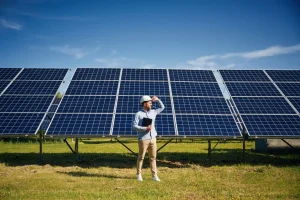
Innovations in solar technology are revolutionizing how we harness the sun’s energy. Traditional photovoltaic (PV) cells are being enhanced with new materials, such as perovskite, which can potentially improve efficiency levels beyond the capabilities of conventional silicon cells. These advanced solar cells are not only more efficient but also cheaper to produce, making solar power more accessible to the masses.
Moreover, energy storage solutions are becoming increasingly sophisticated. Innovations in battery technology, such as lithium-ion and solid-state batteries, are enabling the effective storage of solar energy for later use. This development is crucial for mitigating the intermittency issues associated with solar power, allowing homeowners and businesses to utilize stored energy during peak demand times or when sunlight is scarce.
Wind Energy Breakthroughs
Wind energy is also experiencing significant advancements, with new turbine designs enhancing efficiency and output. The evolution of wind turbine technology has led to larger, more powerful turbines that can generate more electricity and operate in a wider range of wind conditions. These innovations allow for the expansion of wind farms into offshore areas, where wind speeds are higher and more consistent.
Floating wind farms are emerging as a game-changer in the renewable energy sector. Unlike traditional offshore wind farms, floating turbines can be placed in deeper waters, capturing wind energy in previously inaccessible locations. This technology not only increases the potential for wind energy generation but also reduces the visual and environmental impacts associated with fixed installations.
The Role of Smart Grids and Energy Management Systems
What is a Smart Grid?
Smart grid technology represents a significant leap forward in energy distribution and management. These advanced electrical grids utilize digital communication technologies to monitor and manage the flow of electricity in real-time. Smart grids enhance the efficiency of energy distribution by optimizing the balance between supply and demand, reducing energy waste, and improving reliability.
Components of smart grid technology include advanced sensors, smart meters, and automated control systems that allow for greater visibility and control of energy resources. By integrating renewable energy sources into the grid, smart grids facilitate the transition to a more sustainable energy system while enhancing resilience to disruptions.
Energy Management Systems (EMS)
Energy Management Systems (EMS) play a crucial role in optimizing renewable energy use. These systems utilize sophisticated software to monitor energy consumption, analyze patterns, and suggest actionable strategies for improving efficiency. By providing real-time data on energy usage, EMS enables businesses and homeowners to make informed decisions that reduce waste and lower costs.
Case studies have shown that organizations implementing EMS can achieve significant energy savings and reduce their carbon footprints. For instance, companies that adopt EMS can optimize their energy utilization by scheduling energy-intensive operations during off-peak hours when electricity rates are lower. This not only contributes to cost savings but also supports the overall stability of the grid.
Innovations in Energy Storage Solutions
Battery Technologies
Advancements in battery technology are critical for addressing the challenges of renewable energy intermittency. Lithium-ion batteries have become the standard for energy storage, but research is increasingly focused on solid-state batteries, which promise higher energy density and improved safety. Solid-state batteries utilize a solid electrolyte instead of a liquid one, reducing the risk of leakage and fire hazards.
As technology evolves, the costs associated with battery production are decreasing, making energy storage more accessible for consumers and businesses alike. The ability to store renewable energy for later use is essential for ensuring a stable energy supply and maximizing the benefits of solar and wind power.
Alternative Energy Storage Methods
Beyond traditional battery systems, alternative energy storage methods are gaining traction. Pumped hydro storage remains the most widely used form of grid-scale energy storage, utilizing excess energy to pump water uphill, which can later be released to generate electricity. This method is highly effective but requires specific geographical conditions.
Other innovative solutions include flywheel energy storage, which uses kinetic energy to store and release electricity quickly, and thermal energy storage, which captures heat generated from renewable sources for later use in heating applications. These alternative storage methods provide diverse options for managing renewable energy and ensuring a stable supply.
The Future of Green Tech in Renewable Energy
Emerging Technologies on the Horizon
The future of green tech for renewable energy is bright, with several exciting innovations on the horizon. Hydrogen fuel cells are poised to play a significant role in the energy landscape. By using hydrogen as a clean fuel source, these systems can generate electricity with water as the only byproduct. The potential for green hydrogen production, derived from renewable energy sources, offers a sustainable solution for various applications, including transportation and industrial processes.
Artificial intelligence (AI) is also making waves in the renewable energy sector. By analyzing vast amounts of data, AI can optimize energy production and consumption, predict equipment failures, and enhance grid stability. These advancements will significantly improve the efficiency and effectiveness of renewable energy systems.
The Role of Policy and Regulation
Government support and policies are crucial in shaping the future of green tech. Incentives, subsidies, and regulations can drive investment in renewable energy technologies and facilitate the transition to a sustainable energy economy. Countries that prioritize renewable energy through supportive policies are likely to see accelerated growth in their renewable sectors.
Successful examples of policies driving renewable energy growth include feed-in tariffs, which guarantee fixed payments for renewable energy producers, and renewable portfolio standards, which require utilities to source a certain percentage of their energy from renewable sources. These initiatives not only promote investment but also foster innovation within the industry.
Conclusion
The transformative impact of green tech innovations on renewable energy production is undeniable. From advanced solar and wind technologies to smart grids and energy storage solutions, these developments are reshaping the energy landscape and driving us toward a more sustainable future. As we continue to face the challenges of climate change and environmental degradation, the importance of investing in green technology cannot be overstated. By embracing these innovations, individuals, businesses, and governments can work together to create a cleaner, more resilient world for generations to come.