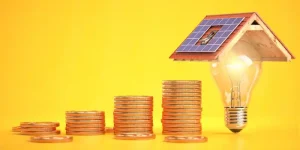
Every home leaves a footprint. It is not always visible, but it exists in the energy we use, the food we consume, and the waste we produce. Over time, these daily choices add up, shaping our impact on the environment. The idea to reduce household carbon footprint is not about perfection. It is about awareness and gradual change. Even small adjustments in everyday habits can lead to meaningful results. Sustainable living is not a distant concept. It begins at home. It begins with simple decisions that create a ripple effect far beyond our walls.
Understanding the Concept of a Household Carbon Footprint
A household carbon footprint refers to the total greenhouse gas emissions generated by daily activities within a home. This includes electricity use, heating, transportation, food consumption, and waste. Each activity contributes in its own way. Leaving lights on, driving frequently, or wasting food all increase emissions. Understanding this concept helps you see where change is possible. It turns abstract environmental issues into something tangible and actionable.
Why Reducing Your Carbon Footprint Matters
Climate change is not just a global issue. It is influenced by millions of individual actions. Households play a significant role in this equation. Reducing emissions helps conserve resources, protect ecosystems, and improve air quality. It also contributes to a healthier living environment. Beyond environmental benefits, sustainable living often leads to financial savings. Lower energy use and reduced waste mean lower costs over time. This combination of environmental and personal benefits makes sustainability a practical choice.
Energy Consumption: The Biggest Contributor
Rethinking Electricity Usage
Turning off unused appliances
Using energy-efficient lighting
Choosing appliances with better efficiency ratings
Electricity use is one of the largest contributors to household emissions. Small changes in usage can make a significant difference.
Transitioning to Renewable Energy
Switching to renewable energy sources reduces reliance on fossil fuels. Solar panels and green energy providers are becoming more accessible. Even partial adoption can lower emissions and contribute to a cleaner energy system.
Sustainable Heating and Cooling Practices
Heating and cooling systems consume a large amount of energy. Managing them efficiently is essential. Proper insulation helps maintain indoor temperature, reducing the need for excessive heating or cooling. Adjusting thermostat settings and using energy-efficient systems can also reduce energy consumption. These changes improve comfort while lowering environmental impact.
Water Usage and Its Environmental Impact
Water may seem unrelated to carbon emissions, but its treatment and distribution require energy. Reducing water waste helps lower this hidden energy use. Simple actions like fixing leaks and using water-efficient fixtures can make a difference. Mindful water use also supports resource conservation, which is an essential part of sustainable living.
Food Choices That Lower Carbon Emissions
The Impact of Diet on the Environment
Reducing food waste at home
Choosing locally sourced products
Limiting highly processed foods
Food production has a significant environmental impact. Making conscious choices can reduce emissions.
Moving Toward Sustainable Eating
Eating more plant-based meals and reducing reliance on resource-intensive foods can lower your carbon footprint. This shift does not require drastic changes. Even small adjustments can have a positive effect.
Waste Management and Recycling Practices
Waste contributes to emissions, especially when it ends up in landfills. Managing waste effectively is crucial. Recycling, composting, and reducing single-use items help minimize waste. Choosing reusable products and packaging reduces the overall environmental burden. These practices not only reduce emissions but also promote a more responsible lifestyle.
Transportation Habits That Make a Difference
Daily travel is another major source of emissions. Reducing car usage can significantly lower your footprint. Walking, cycling, or using public transportation are effective alternatives. Carpooling and combining trips also reduce fuel consumption. These changes not only benefit the environment but also improve personal health and reduce expenses.
Smart Home Choices for a Greener Lifestyle
Modern technology offers tools to improve energy efficiency. Smart thermostats, energy monitors, and efficient appliances help manage consumption. These tools provide insights into usage patterns, allowing for better decision-making. Investing in such solutions may require initial effort, but the long-term benefits are substantial.
The Role of Mindful Consumption
Sustainability is not just about reducing usage. It is also about making thoughtful choices. Buying fewer, higher-quality items reduces waste and resource consumption. Avoiding unnecessary purchases helps minimize environmental impact. This approach encourages a shift from quantity to quality, which aligns with sustainable living principles.
Expert Insights: Making Sustainable Living Practical
Experts emphasize consistency over perfection. Small, consistent actions are more effective than occasional large efforts. They also highlight the importance of awareness. Understanding your habits is the first step toward change. Another key insight is adaptability. Sustainable practices should fit your lifestyle to be effective long-term. Experts recommend starting with simple changes and gradually expanding them. This approach makes the transition more manageable.
Emotional Benefits of Sustainable Living
Living sustainably creates a sense of purpose. It connects daily actions with a larger goal. This connection can be deeply fulfilling. It transforms routine habits into meaningful contributions. Sustainable living also reduces stress. A simpler, more intentional lifestyle often leads to greater peace of mind. These emotional benefits make sustainability more than just an environmental choice.
Challenges in Reducing Household Carbon Footprint
Change is not always easy. Habits are deeply ingrained, and shifting them takes time. Cost can also be a concern. Some sustainable solutions require initial investment. Lack of awareness and access to resources can create barriers. However, these challenges can be overcome with gradual effort and informed decisions. Progress matters more than perfection.
The Future of Sustainable Living at Home
Sustainability is becoming a central focus in modern living. Innovations in technology and design are making eco-friendly choices more accessible. Homes of the future will likely integrate renewable energy, efficient systems, and sustainable materials. As awareness grows, more people are adopting sustainable practices. This collective effort has the potential to create significant change. The future depends on the choices we make today.
Conclusion
Reducing your household carbon footprint is not about drastic changes. It is about mindful decisions and consistent effort. Every small step contributes to a larger impact. From energy use to food choices, each action matters. Sustainable living is a journey. It evolves over time and adapts to your lifestyle. In the end, creating a greener home is not just about protecting the environment. It is about building a better future for yourself and generations to come.
FAQs
What is the easiest way to reduce household carbon footprint?
Starting with simple actions like reducing energy use, minimizing waste, and making conscious food choices can have a significant impact over time.
Does sustainable living save money?
Yes, many sustainable practices reduce costs by lowering energy consumption, minimizing waste, and encouraging mindful spending habits.
How long does it take to see results?
Results can vary, but small changes often lead to noticeable improvements within a few months, especially in energy usage and expenses.