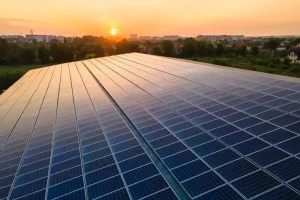
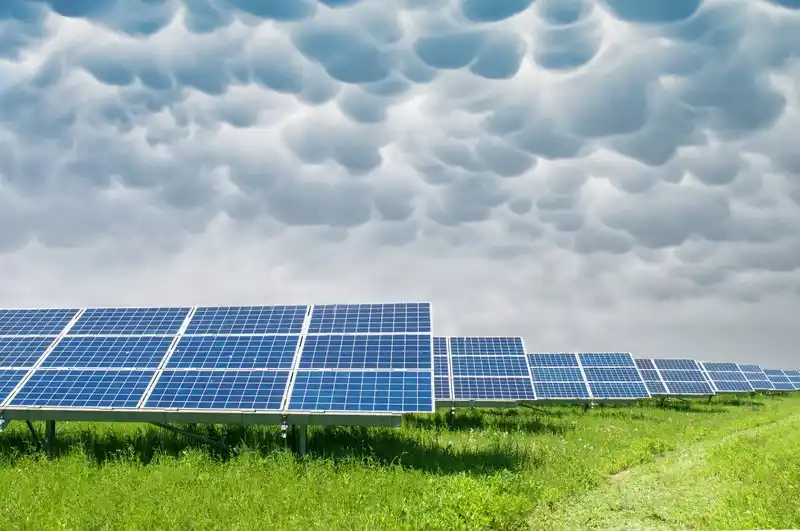
Solar energy systems are often associated with bright, sunny skies. This creates a common misunderstanding that they stop working when the weather changes. In reality, solar technology is far more adaptable. Solar energy systems continue generating electricity even during cloudy or rainy weather, although at reduced efficiency. Understanding how this works helps set realistic expectations and improves how people design and use solar setups.
How Solar Energy Systems Actually Generate Electricity
Solar energy systems work by converting light into electricity through photovoltaic cells. These cells do not rely only on direct sunlight. They respond to solar radiation, which includes both direct and indirect light. This is an important distinction because it means solar panels can still function even when the sky is not perfectly clear. The energy output depends on the intensity of light reaching the panel surface, not simply the presence of a bright sun.
Direct vs diffused sunlight explained simply
Direct sunlight comes straight from the sun without interruption, which produces maximum energy output. Diffused sunlight is sunlight that has been scattered by clouds, dust, or atmospheric particles. Even though it is weaker, it still carries usable energy. On cloudy days, most solar energy systems rely on diffused light. This is why panels continue working even when the sun is not visible. The sky acts like a giant light diffuser, spreading energy across a wider area rather than blocking it completely.
What Really Happens to Solar Output During Cloudy Weather
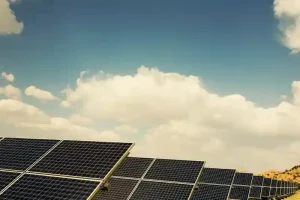
When clouds cover the sky, solar output does not stop. It decreases. The level of reduction depends on how dense the cloud cover is. Light clouds may reduce efficiency slightly, while heavy overcast conditions can significantly lower production. However, solar energy systems rarely drop to zero output unless conditions are extremely dark or stormy. This makes them more reliable than many people assume.
Light cloud cover vs heavy overcast skies
In light cloud conditions, solar panels can still operate at a relatively high efficiency because enough sunlight passes through gaps in the clouds. In heavy overcast weather, light becomes more scattered and weaker, which reduces energy production more noticeably. Even then, panels continue generating electricity throughout the day, just at lower levels. Seasonal weather patterns also play a role, as regions with frequent cloud cover may experience more stable but lower daily averages compared to sunny regions with higher peaks.
Temperature effects on panel efficiency
An interesting factor is that solar panels actually perform better in cooler temperatures. Excess heat can reduce efficiency in photovoltaic cells. Cloudy weather often comes with lower temperatures, which can partially balance out the reduced sunlight. This means that while energy input decreases, efficiency per unit of light can slightly improve. The overall performance depends on the balance between light availability and temperature conditions.
Do Solar Energy Systems Work in Rainy Conditions?
Rainy weather reduces solar output but does not stop it completely. Even during rain, some sunlight still penetrates clouds and reaches solar panels. Additionally, modern solar energy systems are designed to operate safely in wet conditions without damage. Rain itself does not harm panels because they are built with protective layers and waterproof sealing.
Electricity production during rainstorms
During rainstorms, energy production typically drops significantly due to thick cloud cover. However, panels still capture ambient light and scattered radiation. In some storm conditions, brief bursts of brightness can still generate small amounts of power. While output is lower compared to clear days, it remains active rather than completely shut down. This steady but reduced performance is a key reason solar energy systems are considered reliable in variable climates.
Natural cleaning effect of rain on solar panels
Rain actually benefits solar performance in the long run. Dust, dirt, and pollution can reduce efficiency by blocking sunlight from reaching photovoltaic cells. Rainwater helps wash away these particles naturally, improving panel cleanliness. In areas with regular rainfall, this reduces the need for manual cleaning and helps maintain stable long-term output. However, in dry regions, manual cleaning may still be required to achieve optimal performance.
Energy Storage and Grid Support in Low-Sunlight Conditions
Solar energy systems are not just about generating electricity. They also depend on how energy is stored and managed. This is especially important during cloudy or rainy days when production is lower. Energy storage systems and grid connections help balance fluctuations and ensure continuous power availability.
Battery storage as a stability solution
Battery systems store excess electricity generated during sunny periods. This stored energy can then be used during cloudy or rainy weather. The effectiveness of this setup depends on battery capacity and system design. A well-sized battery system can provide backup power for hours or even days depending on usage. This makes solar energy systems more stable and less dependent on immediate weather conditions.
Net metering and grid reliance
In grid-tied systems, users can draw electricity from the main grid when solar production is low. During high production periods, excess energy can be sent back to the grid. This balancing system helps maintain consistent energy supply regardless of weather conditions. Net metering also makes solar installations more economically efficient by reducing waste and maximizing energy use over time.
Factors That Influence Solar Performance Beyond Weather
Weather is only one factor affecting solar energy systems. Several design and installation choices have a major impact on performance. Even in ideal weather, poorly designed systems may underperform. This is why system planning is as important as environmental conditions.
Panel angle, orientation, and location
The angle and direction of solar panels determine how much sunlight they capture throughout the day. Panels that are properly tilted toward the sun’s path generate more electricity. Geographic location also matters because regions closer to the equator receive more consistent sunlight. Even small adjustments in placement can significantly improve long-term output.
Panel type and technology differences
Different types of solar panels respond differently to low-light conditions. Monocrystalline panels generally perform better in cloudy weather compared to polycrystalline or thin-film options. Higher efficiency panels can extract more energy from limited light, making them more suitable for regions with frequent cloud cover. Technology selection plays a major role in overall system reliability.
Common Myths About Solar Energy Systems in Bad Weather
There are several misconceptions about solar energy systems that lead to confusion. These myths often discourage people from adopting solar technology even when it is suitable for their environment. Understanding the reality helps make better energy decisions.
“Solar panels stop working without direct sun” myth
This is one of the most common misunderstandings. Solar panels do not require direct sunlight to function. They generate electricity from all available light, including diffused sunlight. Even on cloudy days, they continue producing energy at reduced levels. The idea that they stop working completely is incorrect and outdated.
“Rain permanently reduces solar efficiency” myth
Rain does not damage solar efficiency. In fact, it often improves long-term performance by cleaning the panels. Any temporary reduction in output during rainfall is due to lower light availability, not damage to the system. Once the weather clears, performance returns to normal levels.
How to Maximize Solar Energy Efficiency in All Weather Conditions
Maximizing performance requires more than just installing panels. Proper maintenance, monitoring, and system design all contribute to consistent energy output across different weather conditions.
Regular maintenance and cleaning schedules
While rain helps clean panels, dust and debris can still accumulate over time, especially in dry or polluted areas. Regular cleaning ensures that sunlight is not blocked and efficiency remains high. Even small layers of dust can reduce output, so maintenance plays an important role in performance stability.
Smart energy monitoring systems
Modern solar setups often include monitoring tools that track energy production in real time. These systems help identify performance drops caused by weather or technical issues. By analyzing data, users can optimize consumption patterns and improve overall efficiency.
Hybrid energy system integration
Combining solar energy systems with other renewable sources or grid support creates a more reliable setup. Hybrid systems reduce dependency on a single source and ensure continuous power availability even during extended cloudy periods. This approach is becoming more common in both residential and commercial applications.
Real-World Reliability of Solar Energy Systems
Solar energy systems are widely used in regions with varying climates, including areas with frequent clouds or seasonal rainfall. Real-world data shows that these systems remain effective throughout the year when properly designed. While output fluctuates with weather, long-term energy generation remains stable and predictable.
Performance in tropical and monsoon regions
In tropical and monsoon climates, solar systems experience seasonal variations but still deliver consistent annual energy production. High sunlight periods compensate for rainy seasons. This balance makes solar a practical option even in regions with unpredictable weather patterns.
Long-term ROI despite weather fluctuations
Over time, solar energy systems provide strong financial returns. Even with weather-related fluctuations, the overall savings on electricity bills remain significant. As technology improves and efficiency increases, the return on investment continues to grow, making solar a reliable long-term energy solution.
Final Thoughts
Solar energy systems remain dependable throughout the year, including during cloudy or rainy weather. While output levels change based on conditions, they never fully stop producing electricity. The key to reliability is not just weather but system design, storage solutions, and proper installation. When these factors are optimized, solar energy becomes a stable and efficient power source regardless of seasonal changes. The perception that solar only works in perfect sunshine is outdated, and modern systems are built to handle real-world weather conditions effectively.